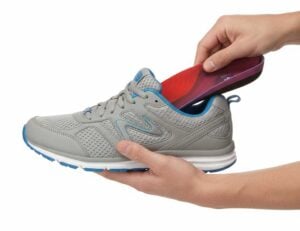
Arch support insoles for flat feet: why they are important…
If your arches have collapsed or have never fully developed, you’re not alone—and you’re not without options. Flat feet, also known as ‘Pes Planus’, are caused by both genetic and environmental factors. Flat feet affect up to 70% of the population, often leading to a myriad of problems that extend far beyond aching feet. Symptoms associated with flat feet include tired feet, foot pain, heel pain, knee pain – even lower back pain! The good news? Medical-grade insoles like Footlogics can provide the arch support your body needs at a fraction of what you’d spend on on-going treatment from a doctor or physiotherapist. The best arch support insoles for flat feet provide proper biomechanical arch support, cushioning and a deep heel cradle to improve walking comfort. They will reduce pain and ensure your feet are provided with comprehensive support to treat and prevent a wide range of foot conditions.
Do you really need flat feet insoles?
Having flat feet isn’t simply a minor problem. If you don’t support your feet, they can make your heels, knees, hips and lower back hurt. A pair of high quality arch support insoles from Footlogics (ranging from around ₹1,490–₹2,250, with FREE shipping and a 30-day money-back guarantee) offers a low-cost way to prevent these bigger problems before they take hold.
Who can benefit from flat feet shoe insoles?
Arch support shoe insoles are perfect for:
• adults with flat arches or fallen arches experiencing foot fatigue (Note: Fallen arches develop in adulthood and are often the result of external factors, while hereditary ‘flat feet’ are present from birth.)
• runners and athletes who experience achilles pain, shin splints or knee pain
• people who work long hours on hard floors, pavement etc
• young children with who flat feet and are in need of early intervention
What they do:
provide proper arch support to elevate and balance collapsed arches
control excess pronation (excessive inward ankle rolling)
cushion the heel and forefoot with a high level of shock absorption
distribute body weight more evenly across the sole
stabilise the heel and ankles with a deep heel cup
What are the benefits of arch support inserts?
less pain and discomfort in your feet, knees, legs, and lower back
improved body posture and alignment throughout the kinetic chain
more comfort during daily activities and a more active lifestyle
A simple cost comparison…
one or two physiotherapy sessions can cost more than a pair of Footlogics insoles!
ongoing treatment for Plantar Fasciitis or knee pain often runs into thousands over a year—while quality arch support insoles are a one-time investment
Are you ready to find your fit? Footlogics has a wide range of insoles from firm to soft, sports-specific to narrow designs for tight shoes. Choosing the correct type of arch support is important to meet your demands and keep your feet in the optimal position. Read on to find out which insole is best for you.
What are flat feet (Pes Planus) and fallen arches?
When the arches on the inside of your feet are very low or missing, you have flat feet, which is also called “pes planus.” When you stand, the whole bottom of your foot touches the ground instead of revealing the natural inward bend of a normal arch. If your footprint reveals a full shape with no gap around the inner border, you probably have flat feet. You can frequently tell this by doing a simple wet footprint test.
Types of flat feet:
congenital flat feet: by age 7 you should see a natural arch; if not you have ‘genetic’ flat feet
acquired fallen arches: this condition develops later in life due to external factors such as ageing, obesity, pregnancy, injury, diabetes, bad footwear or spending long hours on hard floors. Unlike congenital flat feet, fallen arches are not present as a child, but instead develop in adulthood.
flexible flat feet: The most common type—arch appears when sitting but flattens under weight when you stand or walk
rigid flat feet: arch remains flat regardless of whether you’re standing or sitting, often requiring stong arch support
A lot of people want to know if flat feet can be “fixed.” Flat feet insoles and orthotic support can’t change the structure of your arch, but they can make your feet work better, ease discomfort, and assist fix over-pronation. Even if they don’t permanently correct the underlying anatomy, supportive insoles can help with symptoms and make you more comfortable.
Over-pronation is when your ankle rolls too far inward with each step. This is common in people with both flexible and stiff flat feet. This affects the way forces go up through your legs and spine, which can cause a chain reaction of issues.
A quick check at home: Look at your ankles in front of a mirror. If your feet seem like they’re collapsing inward or if a wet footprint on the floor doesn’t reveal an arch curve, you probably have flat feet that need a good arch support.
Risks of ignoring flat feet: from heel pain to low back pain
Flat feet that aren’t addressed aren’t only a cosmetic problem. They can set off a series of biomechanical disorders that start in your toes and go all the way up to your lower back. What starts as a little pain when walking can turn into long-term problems that make it hard to work, exercise, and enjoy life.
Foot problems linked to flat feet:
Plantar fasciitis: Sharp heel pain, especially upon first steps in the morning, affecting up to 50% of older adults!
Chronic heel pain: from fat pad atrophy and Achilles Tendonitis (back of heel pain)
Ball of foot pain (metatarsalgia): caused by forefoot overload from improper weight distribution
Bunions and corns: developing from overloaded toes forced into uncomfortable positions
General arch fatigue: muscles working overtime to compensate for lack of structural support
Aches and pains higher up the body:
Shin splints: common in runners, with 15-20% of novice runners affected due to excess pronation
Knee pain: studies show 25% of individuals with flat feet experience knee issues from internal rotation and altered gait
Hip discomfort: from compensatory movement patterns
Low back pain: research links flat feet to 2-3 times higher risk of chronic lower back issues, particularly in people who stand for long hours at work
Long-term consequences:
Years of recurring pain, reduced ability to stand or walk for work, missed sports and gym sessions, and the eventual need for expensive custom orthotics or surgical interventions.
Compare these risks to the relatively small investment in proper flat feet insoles. Prevention truly is better than cure—and far more affordable.
Quality arch support insoles aren’t just soft padding to make your shoes feel more comfortable. They’re engineered devices designed to guide your foot into a healthier position, correcting the biomechanical issues that cause pain in the first place.
Key shoe inserts design features that create real change:
Contoured arch support: Specifically profiled for flat feet (low to medium arch heights) to lift and support the medial longitudinal arch
Deep heel cup: Cradles and stabilises the heel bone, limiting excessive eversion and reducing ankle instability
Medial posting: A built-in wedge that controls over-pronation by preventing the ankle from rolling too far inward
How proper arch support insoles redistribute pressure:
When your arch is supported correctly, body weight spreads more evenly across your foot. Clinical data shows supportive insoles can redistribute 20-40% of plantar pressure away from vulnerable areas, reducing peak stress under the heel and forefoot. This allows the plantar fascia to relax rather than strain with every step.
The posture connection:
Improved alignment at the foot and ankle creates a positive chain reaction upward:
Knees track better, reducing internal rotation and relieving pain
Hips experience less compensatory stress
The lumbar spine maintains a more natural curve, reducing low back strain
Footlogics insoles are medical-grade devices developed in consultation with podiatrists and physiotherapists. They offer an over-the-counter alternative to expensive custom orthotics, delivering professional-level support at accessible prices.
Footlogics flat feet arch support insole range
Footlogics offers targeted insoles for different levels of flat feet, shoe types, and activities—all at accessible price points (roughly ₹1,490–₹2,250 in India) with a 90-day money-back guarantee. Here’s how to find your match:
Footlogics Premium
Full-length, firm yet cushioned arch support
Ideal for everyday lace-up shoes and work footwear
Features advanced medial posting for overpronation control
The flagship option for adults with general flat-foot-related pain
Softer Arch Support insole options
Footlogics Sensi: Soft arch support (rated 4.57/5 by users) for sensitive feet
Gentle support suited to older adults or those who can’t tolerate very firm devices
Provides relief without creating discomfort during the break-in period
Sports and High-Activity Options
Model
Best For
Key Features
Footlogics Sports
Running, gym training
Extra shock absorption, firmer rearfoot control
Footlogics Performance
Multi-sport use
Enhanced heel stabilization, cushioning
Footlogics Football
Field sports
Designed for cleats and sports boots
3/4-Length and Slimline shoe insert options
Footlogics 3/4 PRO: Fits narrow casual and dress shoes
Footlogics Catwalk: Designed for women’s fashion footwear and tight shoes
Footlogics Versa: Versatile for various shoe types where full-length won’t fit
Specialised arch support insole models
Meta Full-Length / Metatarsalgia: For ball-of-foot pain common in flat feet
Each option addresses specific needs while maintaining the core benefits of arch support, heel stabilisation, and pressure redistribution that make Footlogics effective for flat feet.
If you’re looking for more choices, we’d also like to point you to Curafoot, which provides a range of products for flat feet, including arch support insoles and running shoe insoles.
Cost Comparison: Footlogics flat feet insoles vs. ongoing treatment costs
Many people wait until pain becomes severe before taking action—then spend heavily on treatment that could have been significantly reduced or prevented with proper insoles. The numbers tell a compelling story.
Approximate cost comparison:
Expense Type
Typical Cost
Footlogics Premium or Sports insoles
₹1,990–₹2,250 (one-time)
Single physiotherapy session
₹800–₹2,000
Full PT course for plantar fasciitis (6-12 sessions)
₹4,800–₹24,000
Doctor consultations and imaging
₹2,000–₹5,000+
Annual management of chronic foot/knee pain
₹10,000–₹50,000+
A real scenario: Four physiotherapy sessions for shin splints, knee pain, or plantar fasciitis can easily cost several times more than a single pair of Footlogics orthotics that you can wear every day for 12-18 months.
Investment vs. expense: Think of flat feet insoles as a one-time investment that protects your feet, knees, and back—compared to constant spending on treatments that mainly manage symptoms after damage has occurred. The insoles address root causes; painkillers and repeated physio visits often just treat effects.
The prevention message: Prevention is better than cure. This applies directly to flat-foot-related problems like plantar fasciitis, heel pain, metatarsalgia, knee pain, and low back pain. Acting early with Footlogics means potentially avoiding years of discomfort and thousands in treatment costs.
Choosing the right flat feet insole for your shoes and lifestyle
The best insoles for your flat feet depend on your specific symptoms, footwear, and activity level. Footlogics offers a practical range designed to match these varying needs.
Identify your main complaint:
Heel pain or plantar fasciitis → Footlogics Plantar Fasciitis or Premium
Ball-of-foot pain → Footlogics Meta Full or Metatarsalgia
General arch fatigue from standing → Footlogics Premium or Sensi
Shin splints during running → Footlogics Sports or Performance
Knee or lower back discomfort → Firm arch support options with strong heel cups
Dress shoes, narrow casual shoes: 3/4 PRO or Versa
Women’s fashion footwear, tight shoes: Catwalk or slim designs
Athletic shoes, sandals: Sports models or Footlogics orthotic sandals
Select the right firmness:
Firmer devices: Strong over-pronation, heavy use (work boots, sports), higher body weight
Softer devices (Sensi): Sensitive feet, older adults, those transitioning gradually to more support
For children: Parents should consider Footlogics Kids Full-Length or Kids 3/4 insoles if their child shows obvious flat feet, ankles rolling inward, or complains of foot fatigue after sports. Early support can reduce future problems significantly.
If you have any questions or need help choosing the right flat feet insoles, just drop us a message or email and our team will be happy to assist you.
How to use flat feet shoe insoles for best results
Insoles deliver the best results when fitted correctly and worn consistently in appropriate footwear. Here’s how to get the most from your Footlogics orthotics.
Fitting basics:
Remove the existing removable insole from your shoe
Place the Footlogics insole inside, ensuring the heel sits snugly against the back
Trim the forefoot area if necessary (use the old insole as a cutting template)
Check that your foot sits comfortably with no slipping or bunching
Gradual break-in schedule:
Day 1: Wear for 1-2 hours
Days 2-3: Increase to 3-4 hours
Days 4-7: Add another hour or two each day
By week 2: Comfortable for full-day wear
This is especially important for firmer models—your muscles and ligaments need time to adapt to the improved alignment.
Footwear tips:
Choose shoes with enough depth and a stable heel counter
Laces or straps help secure your foot properly
Use 3/4-length or slim models for narrow or tight shoes where full-length won’t fit
Avoid very flexible shoes that can’t support the insole structure
Maintenance:
Keep insoles dry and wipe with a damp cloth as needed
Allow them to air overnight between uses
Replace every 9-18 months depending on weight, usage, and activity level
When to see a professional: If pain is severe, sudden, or worsening despite using supportive insoles, consult a podiatrist, physiotherapist, or doctor. Footlogics orthotics are clinically informed and medical-grade, but some cases require additional assessment.
Long-term effects of using flat feet inserts and preventive foot health strategies
Investing in quality flat foot shoe insoles isn’t just about short-term pain relief—it’s a proactive step toward lifelong foot health and comfort. Over time, wearing arch support insoles can make a significant difference in how your feet, knees, and entire body feel and function.
One of the most important long-term benefits is the prevention of knee pain and joint discomfort. Flat feet and fallen arches often lead to misalignment, causing extra strain on the knees and even the lower back. By providing good arch support and heel stabilization, insoles help correct your alignment, reducing the risk of developing chronic pain and making daily activities more comfortable.
For those with rigid flat feet, arch support insoles are especially valuable. They help redistribute body weight more evenly across the foot, taking pressure off the heel and toes. This not only relieves pain but also reduces foot fatigue, tired feet, and swelling—common complaints for anyone who spends long hours on their feet. With better shock absorption and cushioning, you’ll notice less discomfort at the end of the day, whether you’re standing, walking, or running.
Flat feet orthotic insoles also play a crucial role in preventing plantar fasciitis, a leading cause of heel pain. By supporting the arch and absorbing impact, these insoles reduce stress on the plantar fascia, helping to relieve pain and prevent further irritation. This is especially important for active individuals or those with a history of foot problems.
To maximize the benefits of your insoles, it’s essential to adopt preventive foot health strategies. Regular foot exercises can strengthen the muscles that support your arches, while choosing footwear with proper arch support and cushioning helps maintain alignment and comfort. Avoiding unsupportive shoes—like high heels or flat sandals—can also prevent unnecessary strain and discomfort.
If you have persistent foot pain or suspect you have rigid flat feet, consulting a doctor or orthotics specialist is a smart move. They can help determine the best treatment plan and recommend the most suitable insoles for your unique needs.
Incorporating these strategies—using arch support insoles, wearing supportive shoes, exercising your feet, and seeking professional advice—can help you prevent future foot problems and maintain an active lifestyle. With the right approach, you can enjoy lasting relief from foot pain, improved posture, and healthier feet for years to come.
FAQs about Arch Support insoles for Flat Feet
How do I know if my flat feet need insoles?
Common signs include heel or arch pain after standing or walking, tired legs at the end of the day, worn-out inner edges on your shoes, and unexplained knee or back aches. If your wet footprint shows no arch curve, or your ankles visibly roll inward, proper support can help relieve these symptoms.
Can arch support inserts cure flat feet?
Most flat feet cases cannot be structurally “cured” by insoles—the bone and tendon structure remains unchanged. However, insoles can significantly reduce pain, correct over-pronation, and prevent many secondary problems like plantar fasciitis, shin splints, and knee pain from developing or worsening.
Can I wear arch support insoles in all my shoes?
Not all shoes accommodate full-length insoles. Footlogics offers 3/4-length and slim options specifically for dress shoes, narrow shoes, and fashion footwear where bulkier insoles won’t fit. Very open shoes like flip-flops may require built-in orthotic sandals or a different approach entirely.
Will flat feet insoles help with running and sports?
Yes. Footlogics Sports and Performance insoles are designed specifically for active use. They stabilise the foot, absorb shock in the heel and forefoot, and help reduce shin splints, knee pain, and plantar fasciitis that commonly affect flat-footed runners.
How does Footlogics compare to custom orthotic insoles?
Custom orthotics prescribed by podiatrists can cost 5-10 times more than off-the-shelf options (often ₹15,000–₹30,000+ vs. ₹2,000–₹2,500). While custom devices offer 80-90% pain reduction efficacy in studies, quality medical-grade insoles like Footlogics achieve 60-70% efficacy for most mild to moderate flat feet cases—making them an excellent first-line solution without the high price tag.
Flat feet don’t have to mean a lifetime of foot problems, knee pain, or back issues. A small investment in proper arch support today can save you significant pain and expense tomorrow. Explore the Footlogics range and take advantage of the 30-day money-back guarantee, and give your feet the support they’ve been missing.
Discover the best insoles for flat feet that enhance comfort and support for daily activities. Find the right fit for your needs with Footlogics!
 Free Shipping Across India
 Medical Grade Orthotics at Retail Price
 TGA Approved Products
 7 Day Money-Back -Guarantee